


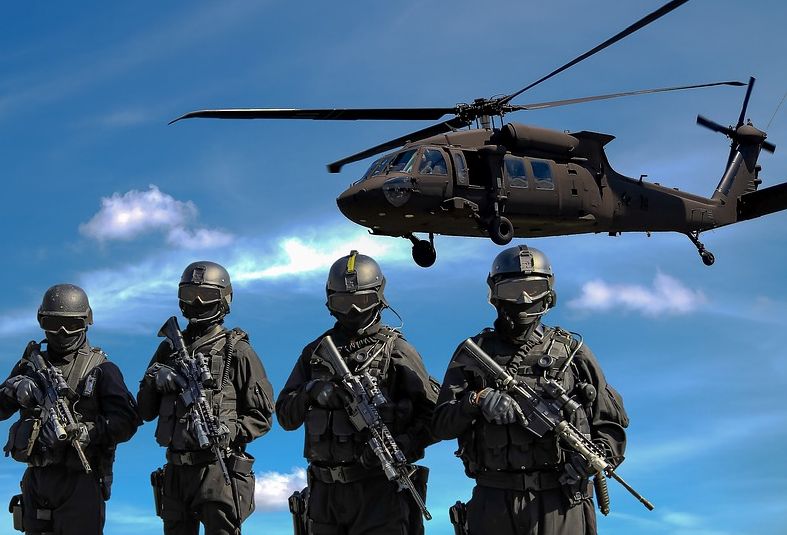
Artificial intelligence (AI) is fundamentally reshaping the landscape of global defense. As military organizations worldwide integrate machine learning, autonomous systems, and advanced data analytics, the mechanisms of conflict are evolving at an unprecedented pace. This transition signifies more than a technological upgrade; it marks a paradigm shift in how nations perceive security and execute strategic operations.
The Technological Catalyst
Modern warfare relies on the rapid processing of vast amounts of complex data. AI algorithms now analyze satellite imagery, intercepted communications, and sensor feeds in milliseconds—a task that previously consumed hours of human analytical work. By identifying patterns and anomalies with superhuman precision, AI provides commanders with actionable intelligence, allowing for faster decision-making cycles.
Furthermore, autonomous systems represent a core component of this technological surge. Unmanned aerial vehicles (UAVs) and robotic ground platforms now navigate contested environments without constant human intervention. These systems enhance operational efficiency while reducing the risk to human personnel in high-threat zones.
Strategic Superiority Through Predictive Analytics
Victory in modern conflict often favors the side that anticipates the adversary’s next move. Predictive AI models simulate thousands of potential battle outcomes, highlighting optimal strategies while mitigating risk. By leveraging historical data and real-time inputs, these systems assist military leadership in logistical planning, resource allocation, and threat mitigation.
AI-driven cyber defense also protects critical infrastructure from increasingly sophisticated digital threats. Automated systems identify vulnerabilities and neutralize malware before adversaries infiltrate secure networks. This proactive posture ensures that defense capabilities remain resilient even under intense digital pressure.
Ethics and the Human Element
While AI offers immense tactical advantages, its integration raises essential questions regarding accountability and ethics. The concept of “human-in-the-loop” systems ensures that strategic decisions remain under human control. International defense policies now focus on establishing robust frameworks to govern the development and deployment of lethal autonomous weapons.
The goal for global powers remains clear: integrate technology to bolster deterrence and precision, while maintaining rigorous oversight. AI does not replace the human command structure; rather, it serves as a force multiplier that sharpens human judgment.
Preparing for a New Era of Defense
The global defense community stands at a critical juncture. Nations that prioritize investment in AI research and infrastructure will define the future of international stability. Understanding the capabilities of machine learning in a military context is vital for policymakers, industry leaders, and citizens alike.
As we move forward, the synergy between human strategy and machine speed will dictate the outcomes of future engagements. We invite you to explore our deep-dive resources on defense innovation and the evolving role of AI in maintaining global security.
Summary
Stay informed on the latest developments in military technology and global defense strategy. Subscribe to our newsletter for expert analysis on the intersection of artificial intelligence and national security.


