
Monday, November 2
What is machine learning in Artificial Intelligence applications
Artificial Intelligence

What is machine learning in Artificial Intelligence applications

Introduction Machine learning refers to the ability of artificial intelligence systems to modify their operations through experience. The application is similar to the way humans also modify their behavior through adaptive learning. The difference between the two scenarios lies in the prompt to learn and the output of such a behavior. Whereas a man will learn on his own, an AI device will need a set of instructions to learn and to process the resulting data. So in other words, the machine will have to be guided to recognize the data stored through experience and how to use it to transform its output. Demystifying Machine Learning: Powering the Future of Innovation Technology touches nearly every aspect of modern life, and machine learning stands at its core. This powerful subset of arti...
Artificial Intelligence

The relationship between Data Mining and Artificial Intelligence

Artificial intelligence shapes our modern world, driving everything from automated customer service to complex medical diagnostics. Yet, artificial intelligence cannot function in a vacuum. To learn, adapt, and make accurate predictions, intelligent systems require vast amounts of high-quality information. Data mining serves as the critical engine powering this process. By transforming raw, unstructured data into actionable insights, data mining provides the essential foundation that artificial intelligence needs to thrive. What Is Data Mining? Data mining involves examining large datasets to discover hidden patterns, correlations, and trends. Traditional data analysis methods often rely on simple queries and summary reports. Conversely, data mining employs advanced statistical tec...
Artificial Intelligence

How artificial intelligence will dominate warfare

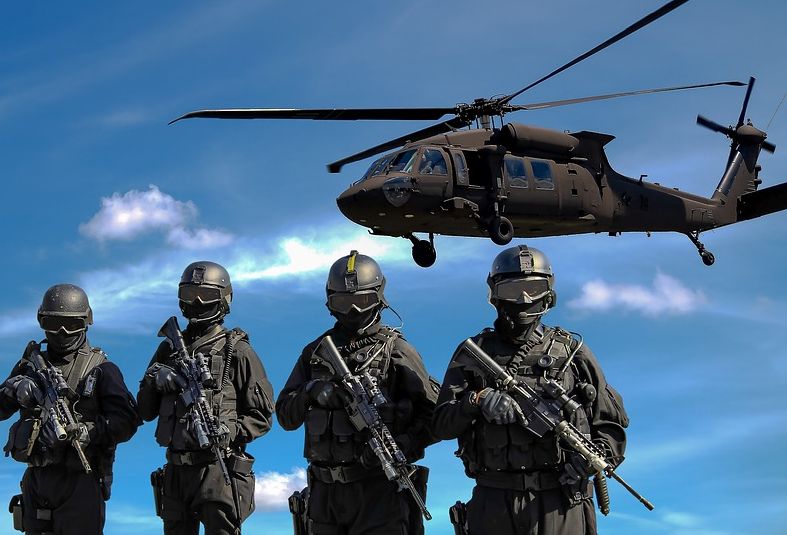
Artificial intelligence (AI) is fundamentally reshaping the landscape of global defense. As military organizations worldwide integrate machine learning, autonomous systems, and advanced data analytics, the mechanisms of conflict are evolving at an unprecedented pace. This transition signifies more than a technological upgrade; it marks a paradigm shift in how nations perceive security and execute strategic operations. The Technological Catalyst Modern warfare relies on the rapid processing of vast amounts of complex data. AI algorithms now analyze satellite imagery, intercepted communications, and sensor feeds in milliseconds—a task that previously consumed hours of human analytical work. By identifying patterns and anomalies with superhuman precision, AI provides commanders with actiona...
Copyright | KwasiSaah.com Terms Privacy Cookie
Αυτός που δεσμεύεται πρέπει να αποδώσει